
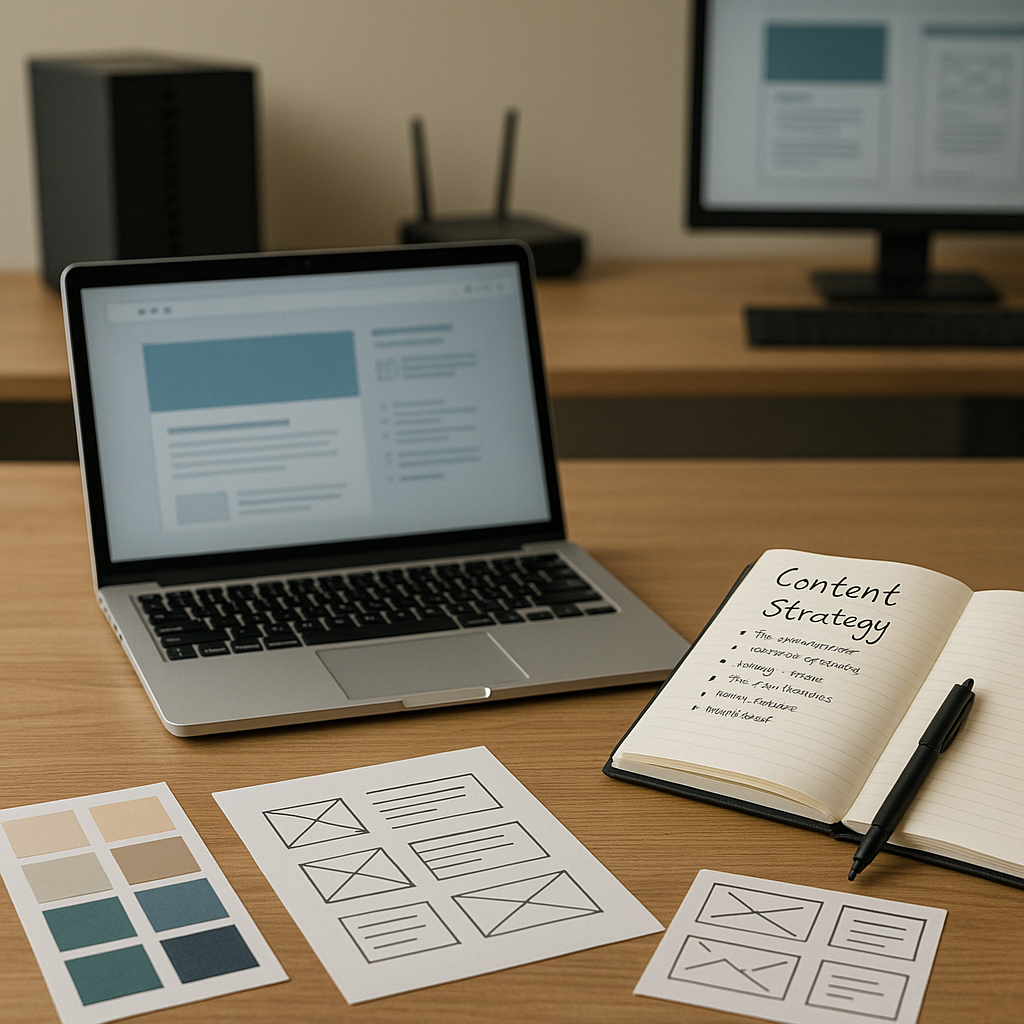
In today’s digital landscape, a well-crafted content strategy is essential for local businesses in Dorset looking to engage their audience and drive conversions. Many small businesses struggle with knowing what content to produce, how to distribute it effectively, and how to measure its impact. This blog post will guide you through the process of developing a content strategy that resonates with your target audience and supports your business goals.
Understanding Your Audience
Before you can create compelling content, it’s crucial to understand who your audience is. Conducting audience research will help you identify the needs, preferences, and pain points of your potential customers.
Steps to Identify Your Target Audience
Define Demographics: Consider age, gender, location, and occupation. Tools like Google Analytics can provide insights into the demographics of your website visitors.
Conduct Surveys: Reach out to existing customers for feedback on their preferences. This can be done through online surveys or direct interviews.
Analyse Competitors: Examine the content your competitors are producing. What topics are they covering? What seems to engage their audience?
Create Buyer Personas: Develop detailed profiles of your ideal customers. Include their motivations, challenges, and how your services can solve their problems.
Setting Clear Goals
Once you understand your audience, the next step is to set clear and measurable goals for your content strategy. Consider the following objectives:
- Increase Website Traffic: Aim to attract more visitors through informative blog posts and engaging content.
- Lead Generation: Create content designed to capture leads, such as downloadable resources or free consultations.
- Brand Awareness: Focus on establishing your brand as an authority in your industry by producing high-quality, relevant content.
Content Types to Consider
Different types of content can serve various purposes within your strategy. Here are some effective formats to consider:
- Blog Posts: Regularly updated articles can improve SEO and position your brand as a thought leader. Topics could include tips for local services, industry news, or how-to guides relevant to your offerings.
- Videos: Short videos demonstrating your services or sharing customer testimonials can enhance engagement.
- Infographics: Visual representations of data can simplify complex information and make it more digestible.
- Case Studies: Show potential customers how your services have positively impacted others.
Creating a Content Calendar
A content calendar is a vital tool for keeping your strategy organised and consistent. Here’s how to create one:
Decide on Frequency: Determine how often you will publish content. Regular posting (e.g., weekly or bi-weekly) is essential for keeping your audience engaged.
Plan Topics: Based on your audience research and goals, brainstorm topics that will resonate with your target market.
Assign Responsibilities: If you have a team, designate who will write, edit, and publish each piece of content.
Schedule Distribution: Decide when and where to share your content. This could include your website, social media platforms, or email newsletters.
Promoting Your Content
Creating quality content is only half the battle; effective promotion is equally important. Here are some strategies to consider:
- Social Media: Share your content on platforms where your audience is active. Tailor your messaging to fit each platform’s style and audience.
- Email Marketing: Use newsletters to share your latest blog posts or updates directly with your subscribers.
- Networking: Collaborate with local businesses or influencers to broaden your reach. Guest blogging or sharing each other’s content can be mutually beneficial.
Measuring Success
To determine the effectiveness of your content strategy, you need to track key performance indicators (KPIs). Here are some metrics to monitor:
- Website Traffic: Use tools like Google Analytics to track the number of visitors to your site and how they interact with your content.
- Engagement Rates: Look at social shares, comments, and time spent on page to gauge how engaging your content is.
- Lead Conversion: Monitor how many visitors are converting into leads or customers as a result of your content.
Common Mistakes to Avoid
While developing your content strategy, be mindful of these common pitfalls:
- Inconsistent Posting: Failing to stick to your content calendar can lead to decreased audience engagement.
- Ignoring SEO: Ensure your content is optimised for search engines. Use relevant keywords and meta descriptions to improve visibility.
- Lack of Clear Calls to Action: Every piece of content should guide the reader toward a specific action, whether it’s signing up for a newsletter or contacting your business.
Conclusion
A well-planned content strategy can significantly enhance your Dorset business’s online presence and drive tangible results. By understanding your audience, setting clear goals, and consistently producing and promoting quality content, you can effectively engage potential customers and foster growth.
If you’re unsure where to start, consider consulting with a professional to develop a tailored content strategy that aligns with your business objectives. For more assistance, explore our professional website design services or our SEO services to bolster your online visibility.