
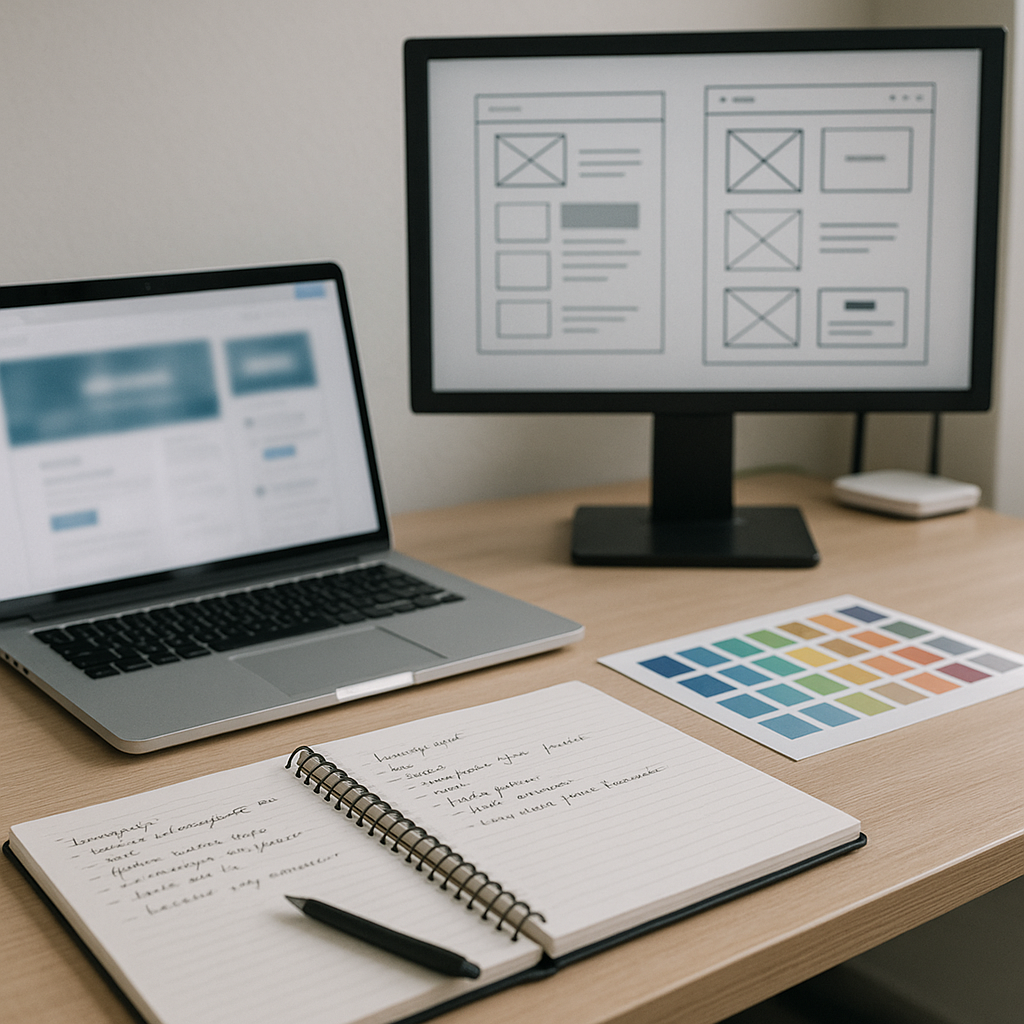
In today’s digital-first world, having an effective website is crucial for any small business. Yet, many Dorset businesses struggle with choosing the right website design that resonates with their target audience, reflects their brand, and drives conversions. With numerous options available, it can be overwhelming to decide which design approach best suits your business needs. This post will guide you through the key considerations when selecting a website design that aligns with your goals.
Understanding Your Business Needs
Before diving into design options, it’s essential to assess your business needs. Consider the following questions:
- What is the primary purpose of your website? (e.g., lead generation, e-commerce, information sharing)
- Who is your target audience? (e.g., local customers, specific demographics)
- What features do you require? (e.g., contact forms, booking systems, image galleries)
By answering these questions, you’ll establish a clear vision that will guide your design choices. Remember, a well-defined purpose will help you create a more focused and engaging website.
Key Elements of Effective Website Design
When designing your website, focus on the following key elements to ensure it meets your business needs and enhances user experience:
1. Visual Appeal
Your website should be visually engaging. Use a cohesive colour palette and professional fonts that align with your brand identity. High-quality images and graphics can enhance your website’s aesthetic appeal. If you’re unsure about your design choices, consider seeking professional website design services to help create a polished look.
2. User Experience (UX)
A well-structured website improves user experience. Ensure that your site is easy to navigate, with clear menus and logical page hierarchies. Incorporate calls to action (CTAs) that guide users towards desired actions, such as contacting you or making a purchase.
3. Mobile Responsiveness
With the increasing use of mobile devices, your website must be mobile responsive. A design that adapts to different screen sizes ensures that all users have a seamless experience on your site, whether they’re on a desktop, tablet, or smartphone.
Choosing the Right Platform
Selecting a suitable platform for your website is crucial. Here are some popular options:
WordPress
WordPress is an excellent choice for many businesses due to its flexibility and ease of use. It offers numerous themes and plugins that cater to various industries, making it easy to customise your site.
Custom Solutions
If your business has unique requirements, a custom solution may be the best option. Working with a web developer can ensure your website meets all specific needs, although it may come with a higher upfront cost.
Website Builders
For those seeking a more straightforward approach, website builders like Wix or Squarespace can be effective. They offer user-friendly interfaces and templates, making it easy to create a basic site quickly.
Mistakes to Avoid When Designing Your Website
To ensure a successful website design, be mindful of these common mistakes:
- Neglecting SEO: Ensure your website is optimised for search engines from the start. This includes using proper keywords, meta descriptions, and alt tags for images.
- Overcomplicating the Design: While creative designs can be appealing, overly complex layouts can confuse users. Keep it simple and intuitive.
- Ignoring Analytics: Implementing analytics tools allows you to track user behaviour on your site. Use this data to make informed decisions about future improvements.
How to Work with a Web Designer
If you decide to hire a web designer, clear communication is key. Follow these steps to ensure a smooth collaboration:
- Define Your Vision: Clearly articulate your goals, brand identity, and any specific requirements.
- Review Portfolios: Ask to see examples of previous work to ensure their style aligns with your vision.
- Set a Budget: Discuss your budget upfront to avoid any surprises later in the process.
- Provide Feedback: Maintain open lines of communication throughout the design process. Provide constructive feedback to ensure the final product meets your expectations.
Testing and Launching Your Website
Once your website is designed, it’s crucial to test its functionality before launching. Consider the following steps:
- Check Compatibility: Ensure your site works properly across different browsers and devices.
- Test All Features: Verify that all forms, links, and e-commerce functions work as intended.
- Gather Feedback: Share the site with trusted colleagues or friends for feedback on usability and design.
After thorough testing, you’re ready to launch your website. Remember to celebrate this achievement, as it’s a significant milestone for your business!
Ongoing Maintenance and Updates
Website design is not a one-time task. Regular maintenance ensures your site remains functional and up-to-date. Consider the following:
- Content Updates: Regularly refresh your content to keep it relevant.
- Security Checks: Implement security measures to protect your site from threats.
- Performance Monitoring: Use analytics to track user engagement and identify areas for improvement.
Conclusion
Choosing the right website design for your Dorset business is a critical step towards establishing a strong online presence. By understanding your needs, focusing on user experience, and avoiding common pitfalls, you can create a website that effectively represents your brand and meets your business goals. If you need assistance, don’t hesitate to explore our website design services to get started on your journey today.